Tag: Strength
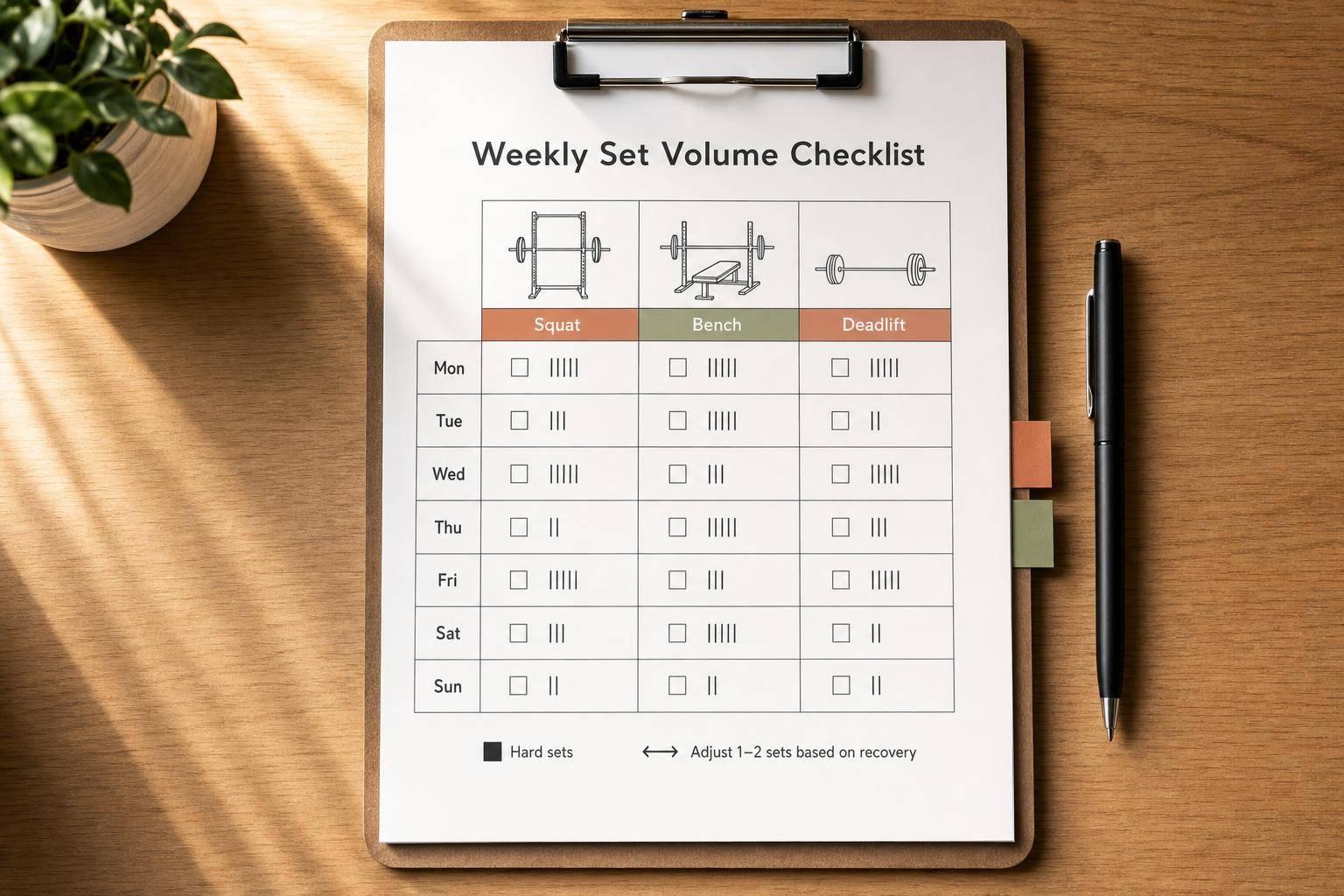
Weekly Set Volume Checklist for 3 Big Lifts
Audit squat, bench, and deadlift by counting hard sets, spreading weekly volume, and adjusting 1–2 sets based on recovery.
Sep 19, 2026
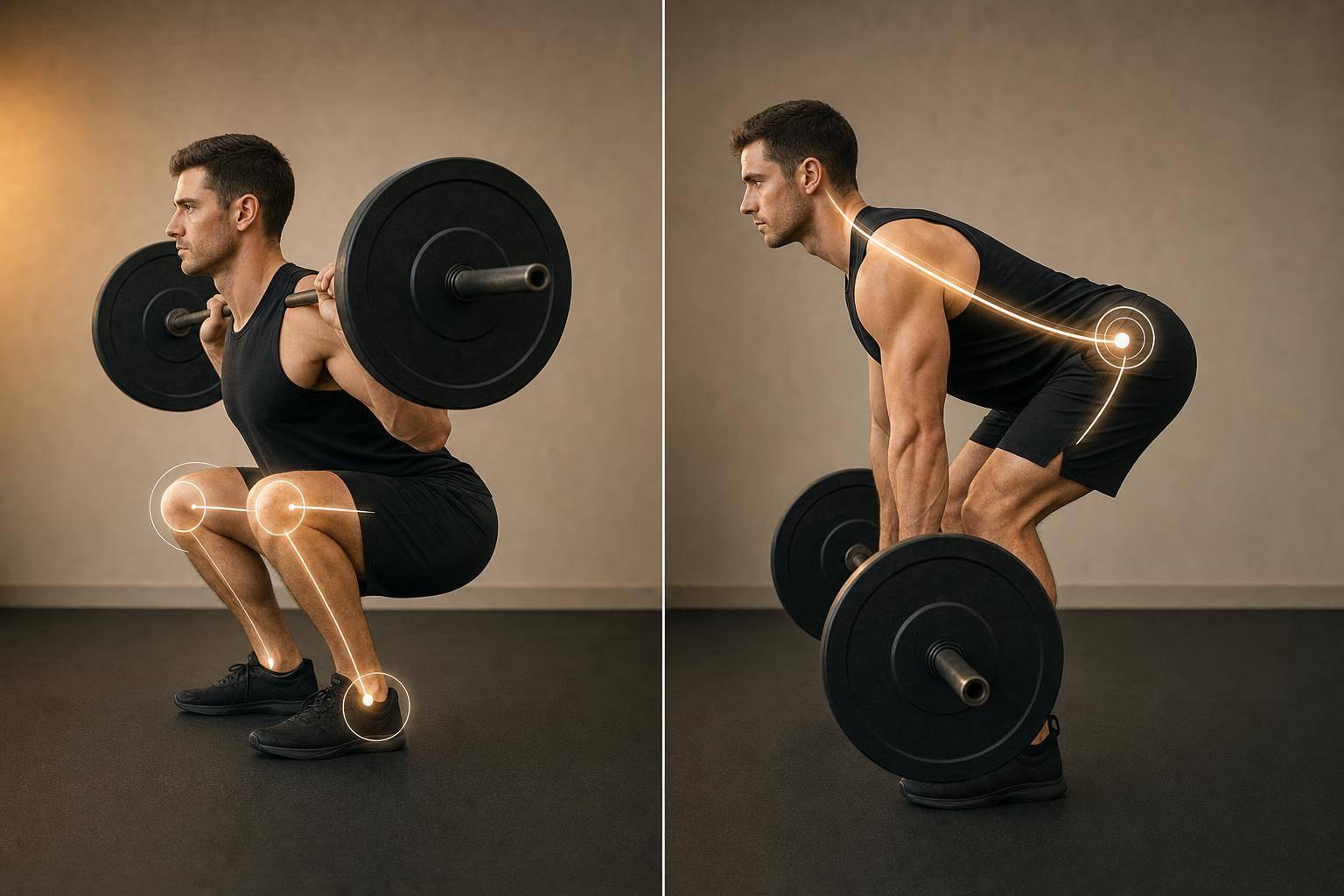
Squat vs Deadlift for Joint Stability
Compare squat and deadlift joint demands: squats target knee/ankle control while deadlifts emphasize hip and trunk stability.
Sep 18, 2026
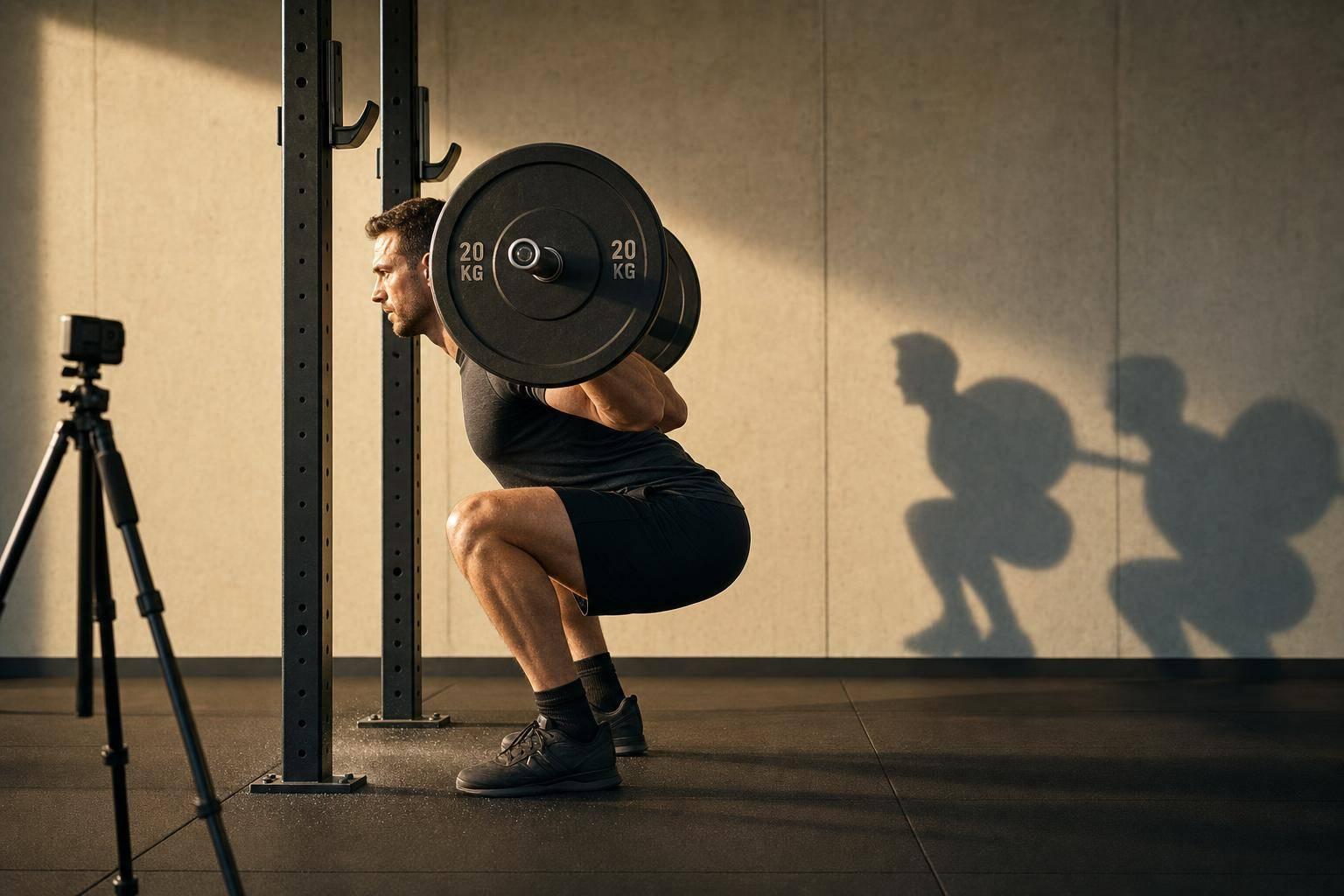
Study Summary: AI Form Feedback in Weight Training
Camera-based AI can spot visible squat, bench, and deadlift faults, but accuracy varies with camera setup and it can't read bracing or fatigue.
Sep 17, 2026
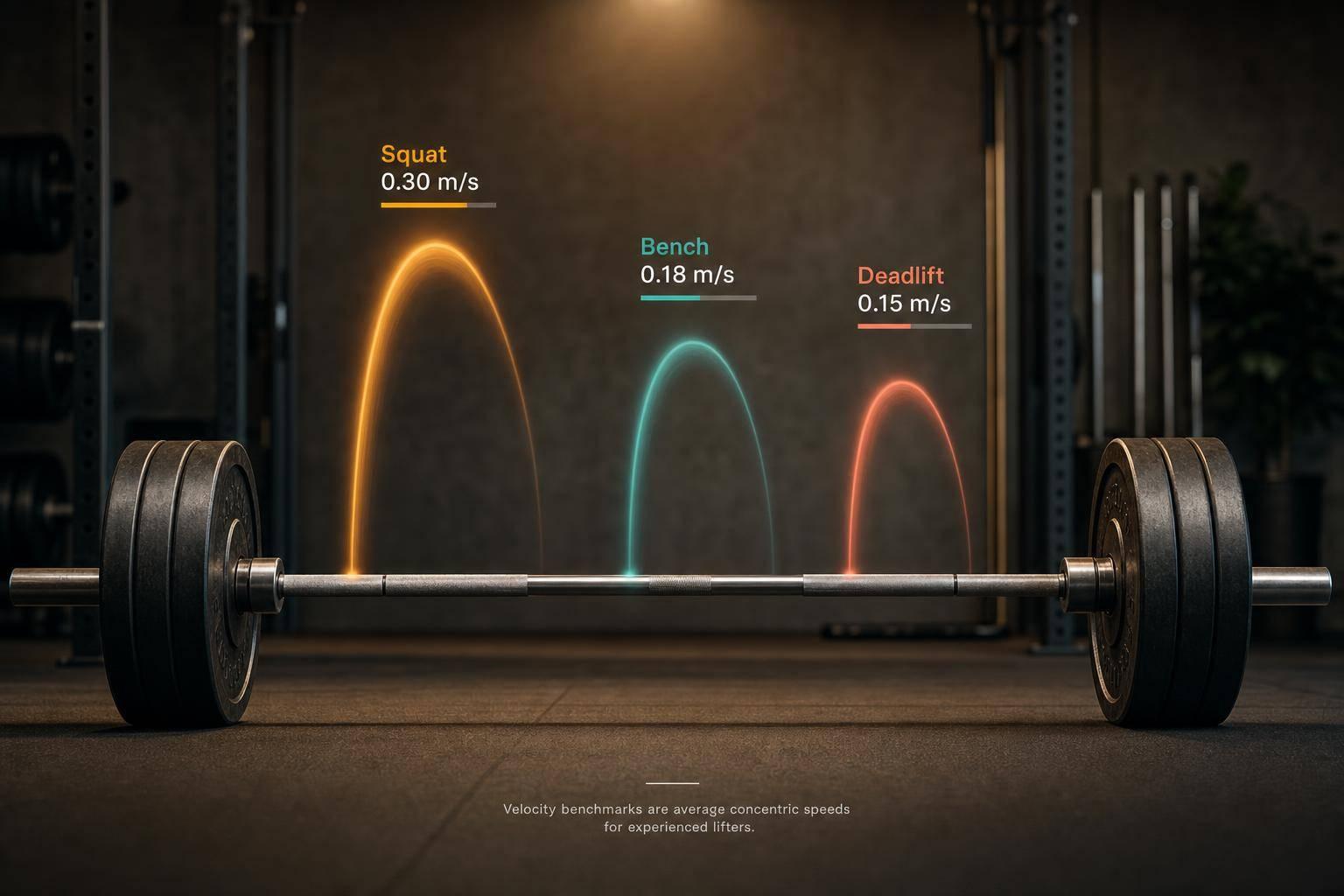
Velocity Benchmarks for Squat, Bench, Deadlift
Use mean concentric velocity to auto-regulate squat, bench, and deadlift loads with 1RM speed benchmarks, normal swings, and simple load-adjust rules.
Sep 16, 2026
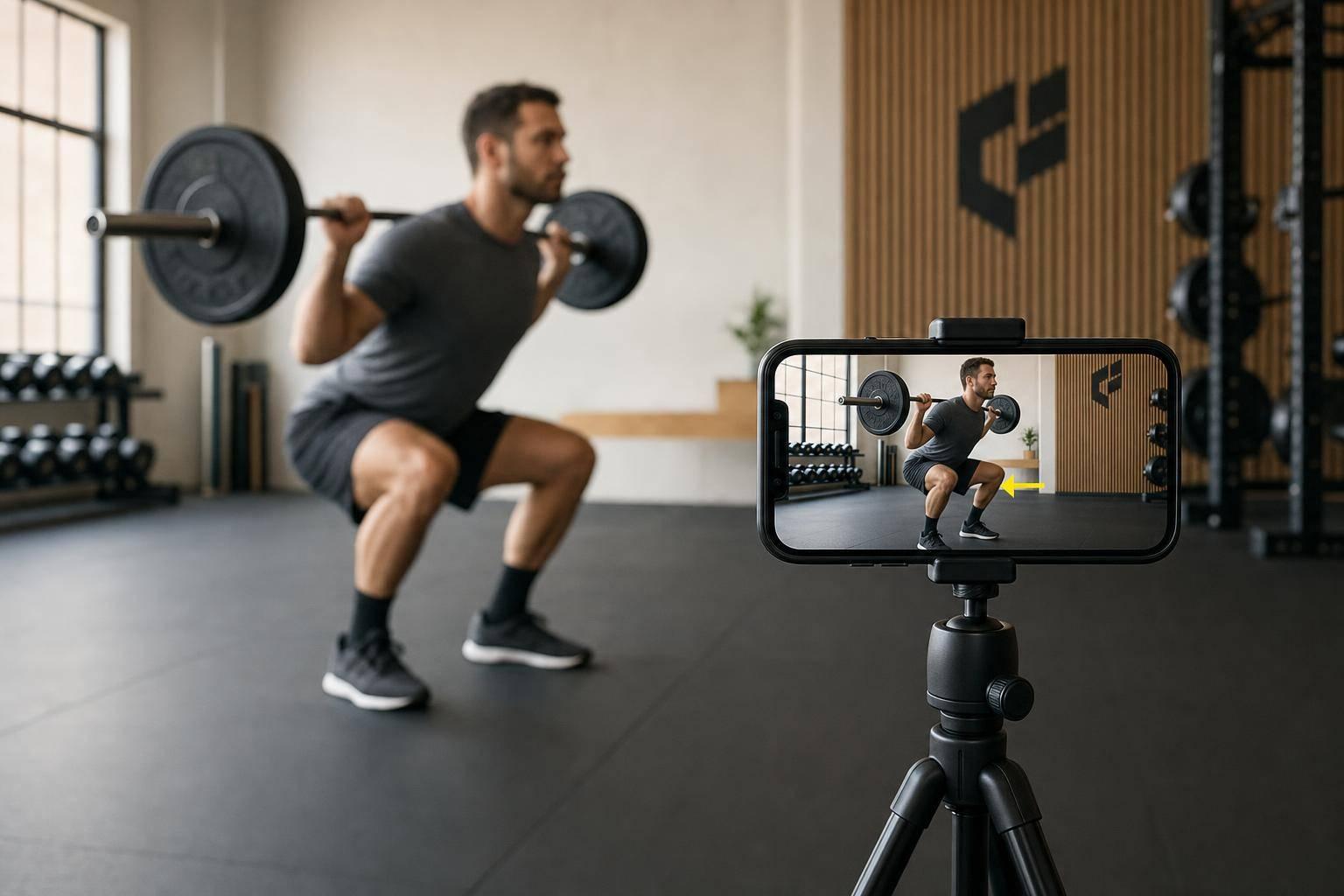
Study Summary: Video Feedback in Strength Form
Video is best for spotting one visible lifting fault and giving one clear cue—use it for technique, not for safety or effort.
Sep 14, 2026
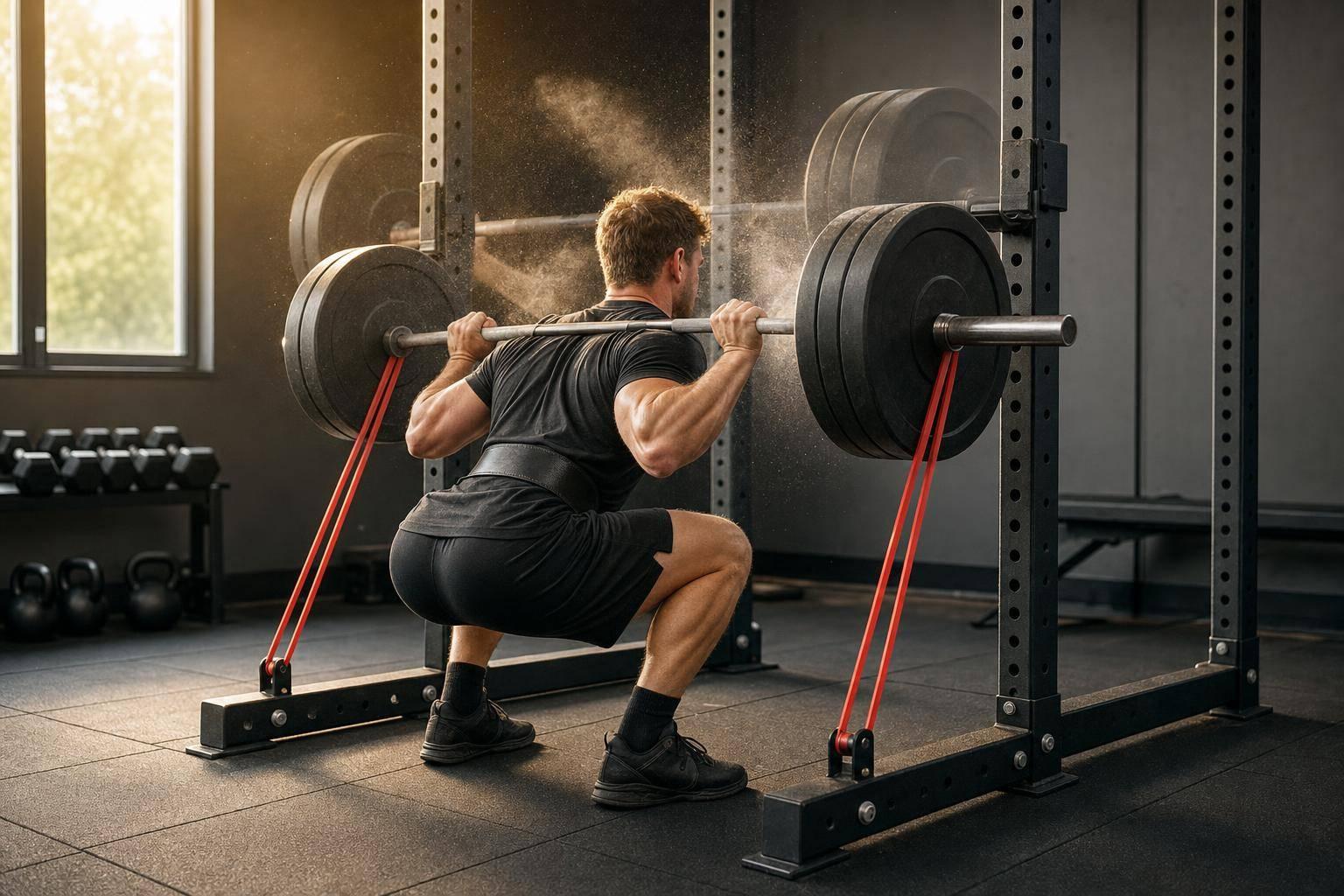
When Dynamic Resistance Helps Squat and Bench
Straight weight builds base strength; use bands or chains in short 3–6 week blocks to boost bar speed and lockout.
Sep 13, 2026
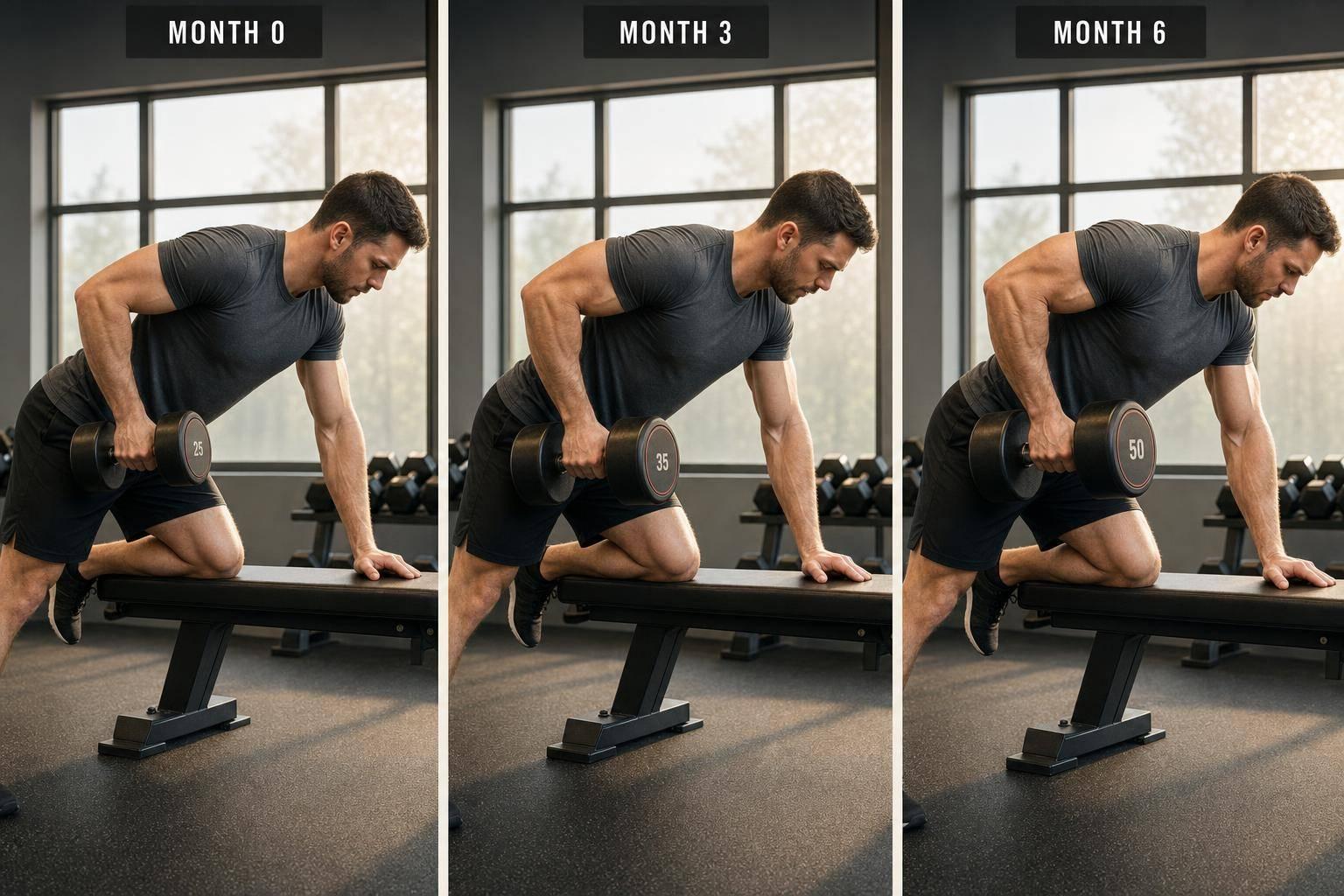
Testosterone and Muscle Hypertrophy: What Science Says
Long-term testosterone exposure boosts lean mass; dose, baseline, and consistent resistance training determine gains—post-workout spikes matter little.
Sep 12, 2026
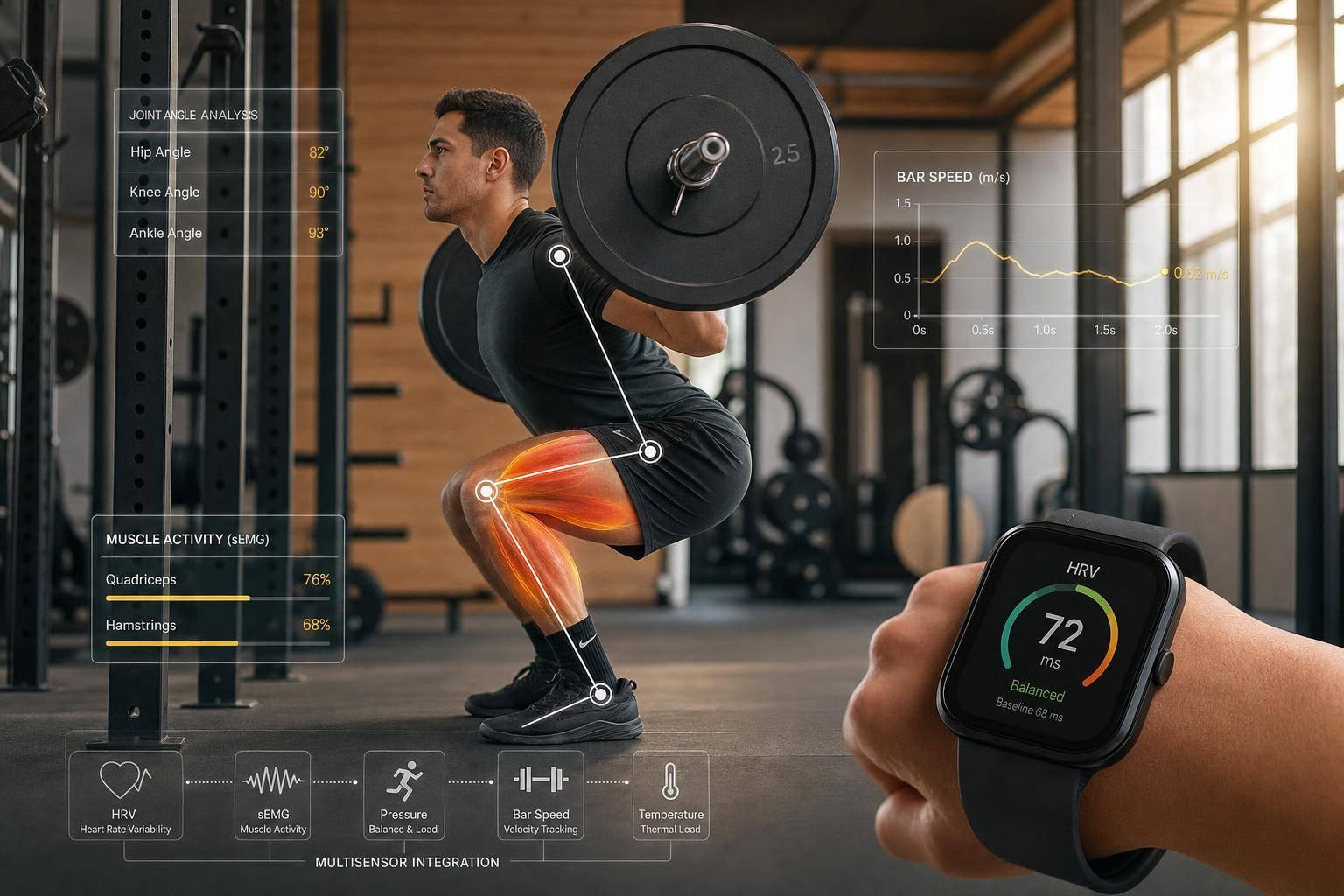
5 Ways AI Detects Fatigue in Strength Training
AI tracks form, bar speed, sEMG, HRV and multisensor data to spot fatigue early and guide strength-training decisions.
Sep 11, 2026
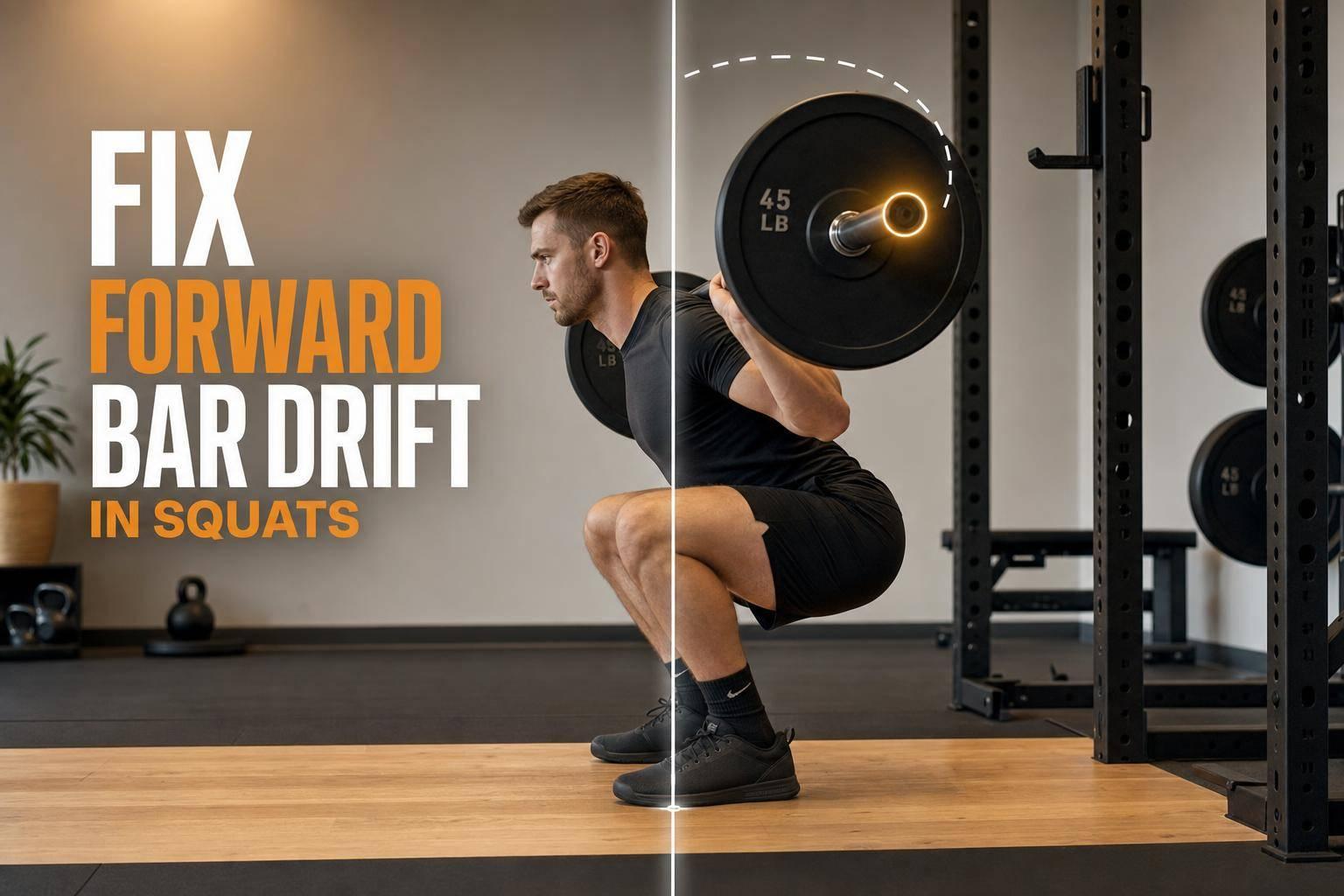
Fix forward bar drift in squats
Film your squat from the side, find the first frame the bar moves past midfoot, then fix the cause—ankles, brace, hips, or bar setup.
Jul 04, 2026
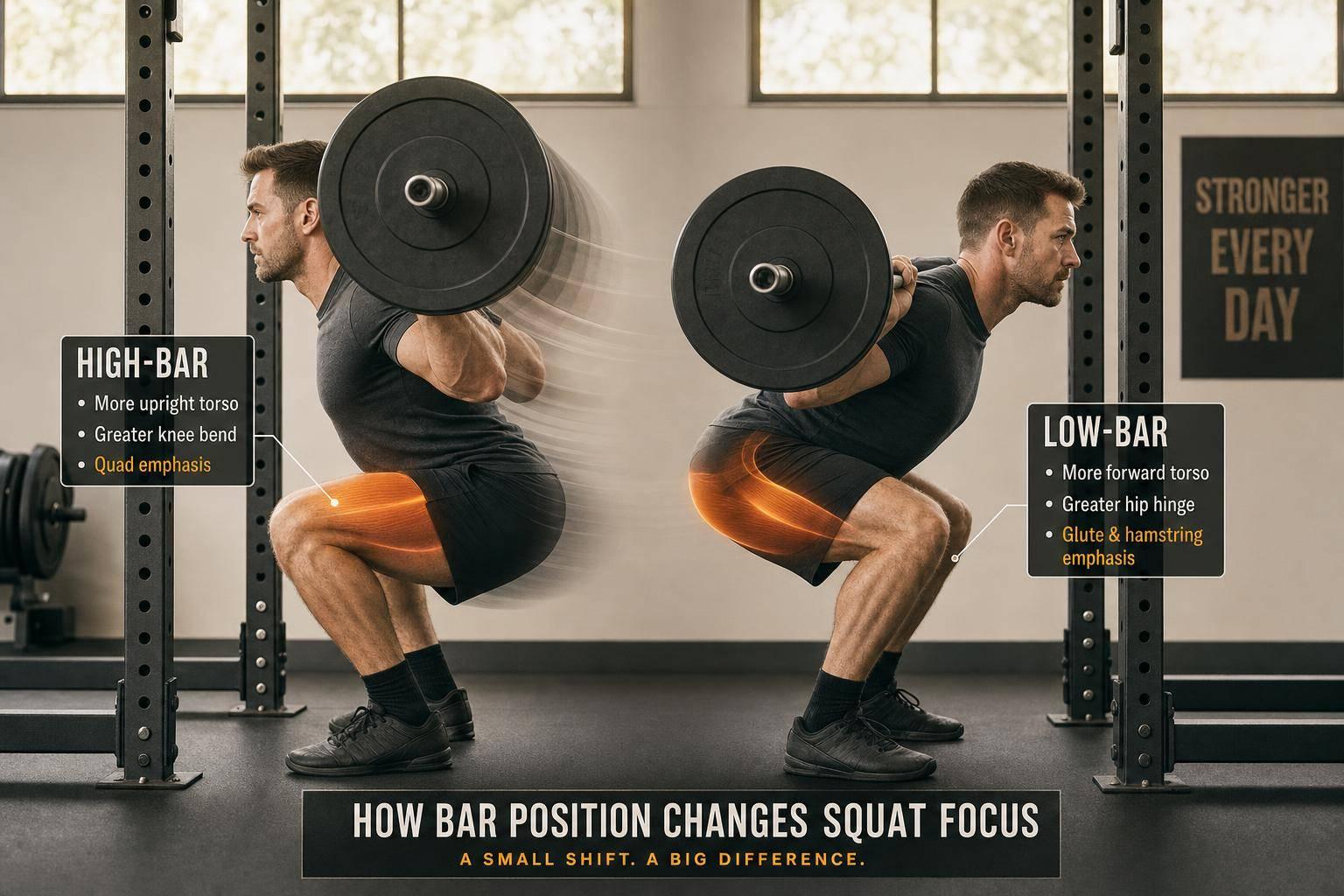
How Bar Position Changes Squat Focus
Small bar shifts (2–3 inches) change torso angle and muscle focus—high-bar favors quads and depth; low-bar favors hips and heavier loads.
Jul 02, 2026
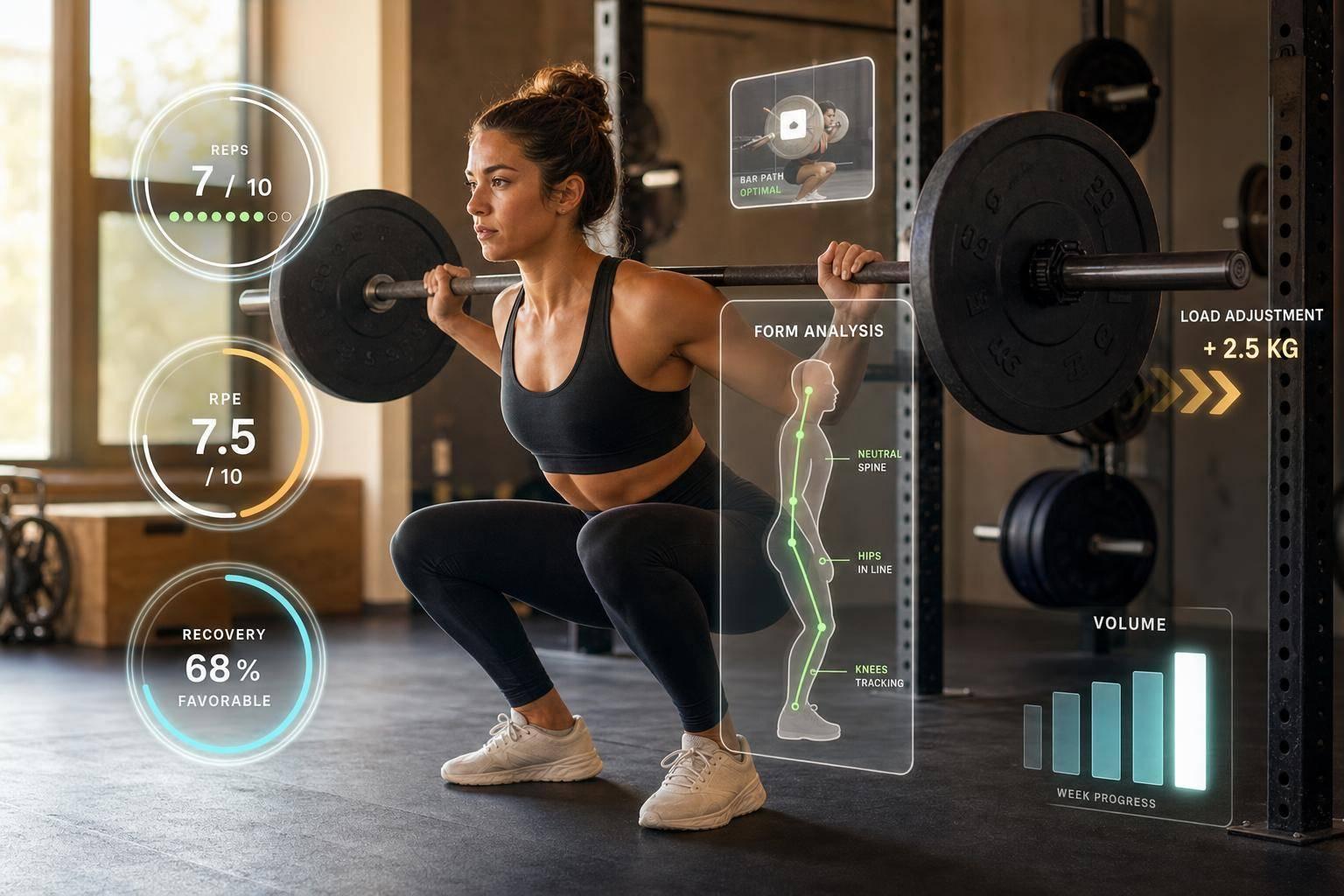
How AI Adjusts Workouts for All Levels
How AI tailors strength workouts using reps, RPE, video form and recovery to adapt load, volume and cues for beginners to advanced lifters.
Jun 19, 2026
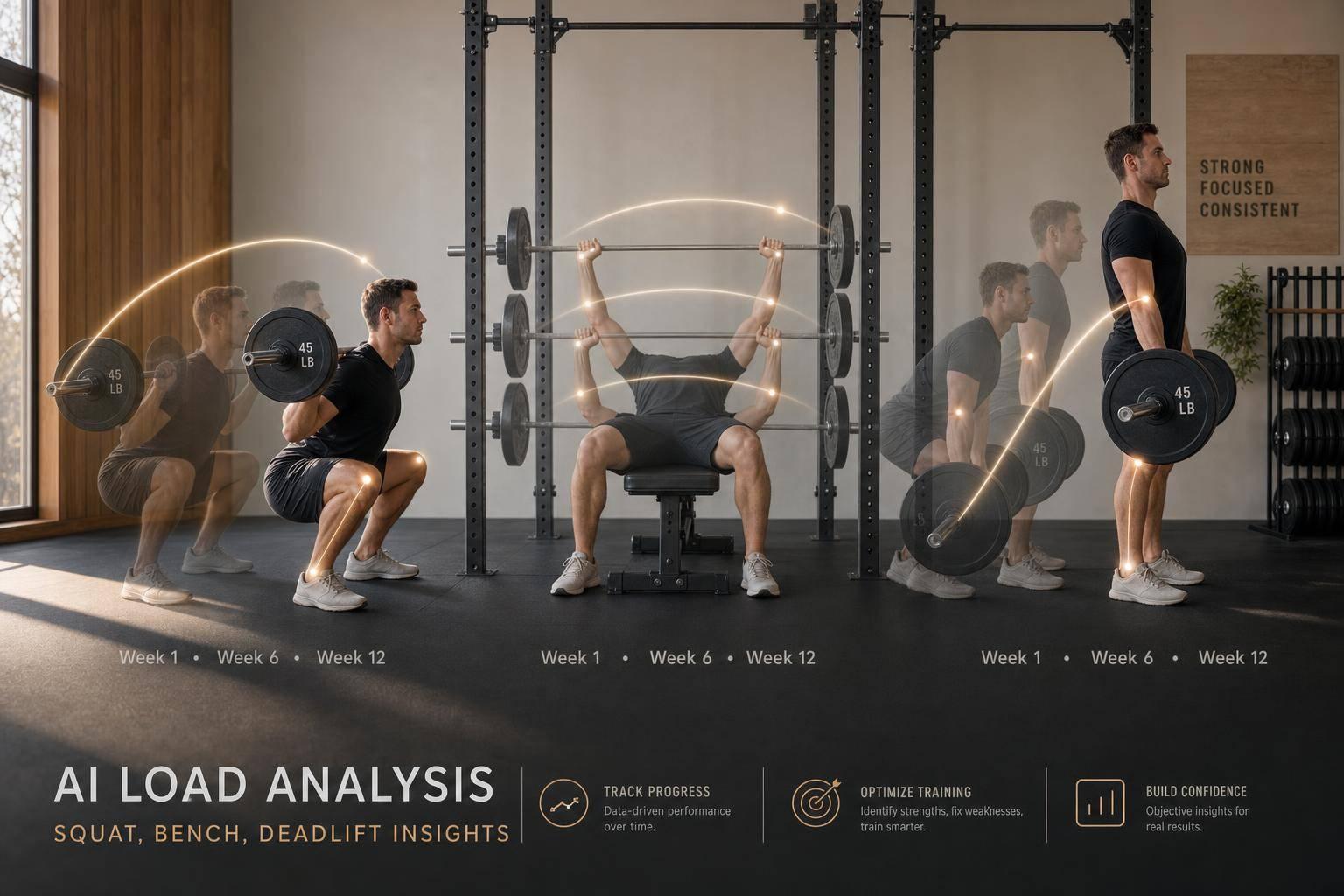
AI Load Analysis: Squat, Bench, Deadlift Insights
Video-based AI tracks bar speed, joint loading, and asymmetry in squat, bench, and deadlift—use trends over 6–12 weeks, not single reps.
Jun 18, 2026
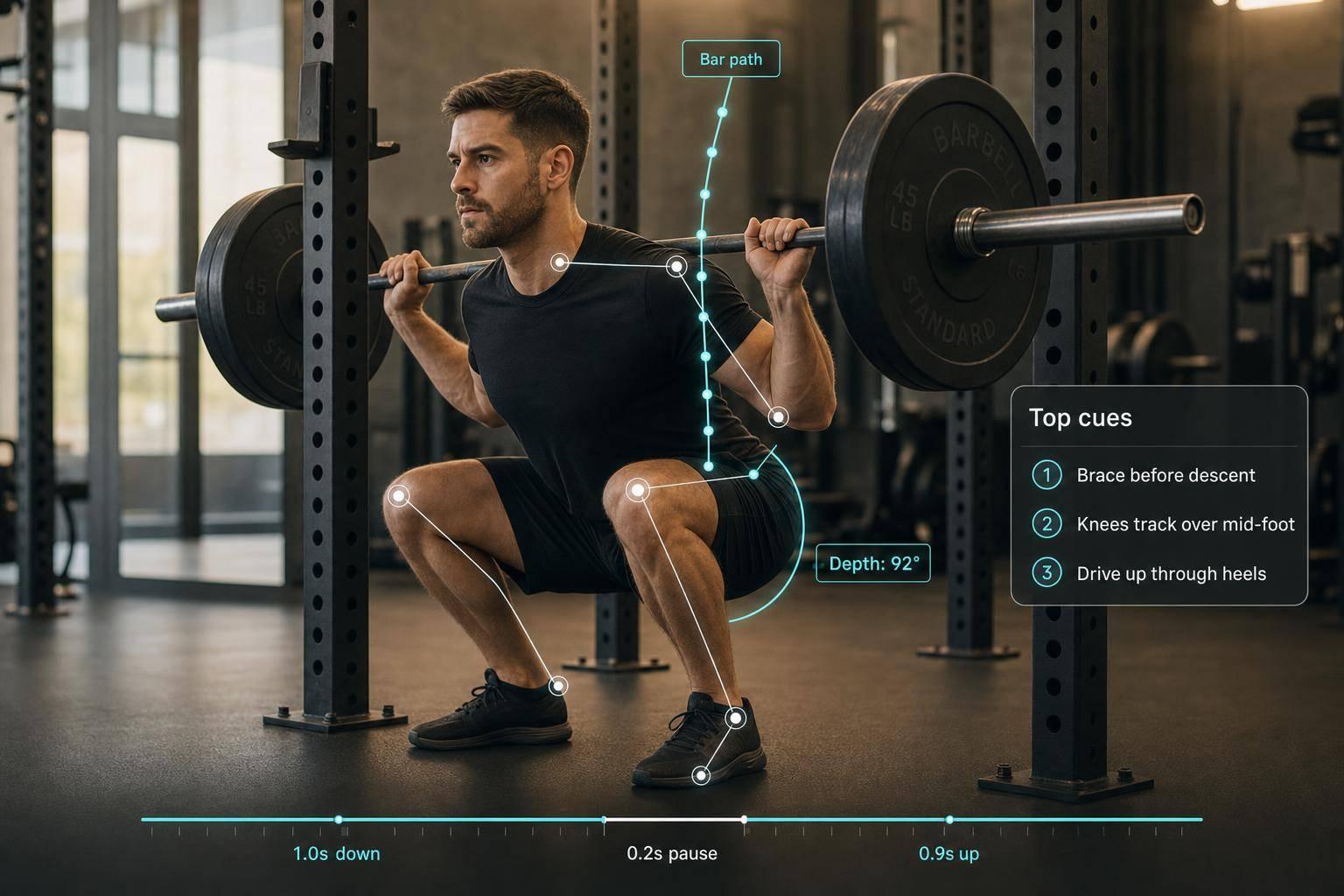
How AI Analyzes Squat, Bench, Deadlift Videos
AI turns phone video into rep-by-rep lift analysis—tracking joints, bar path, depth and tempo, then giving 1–3 prioritized coaching cues.
Jun 17, 2026
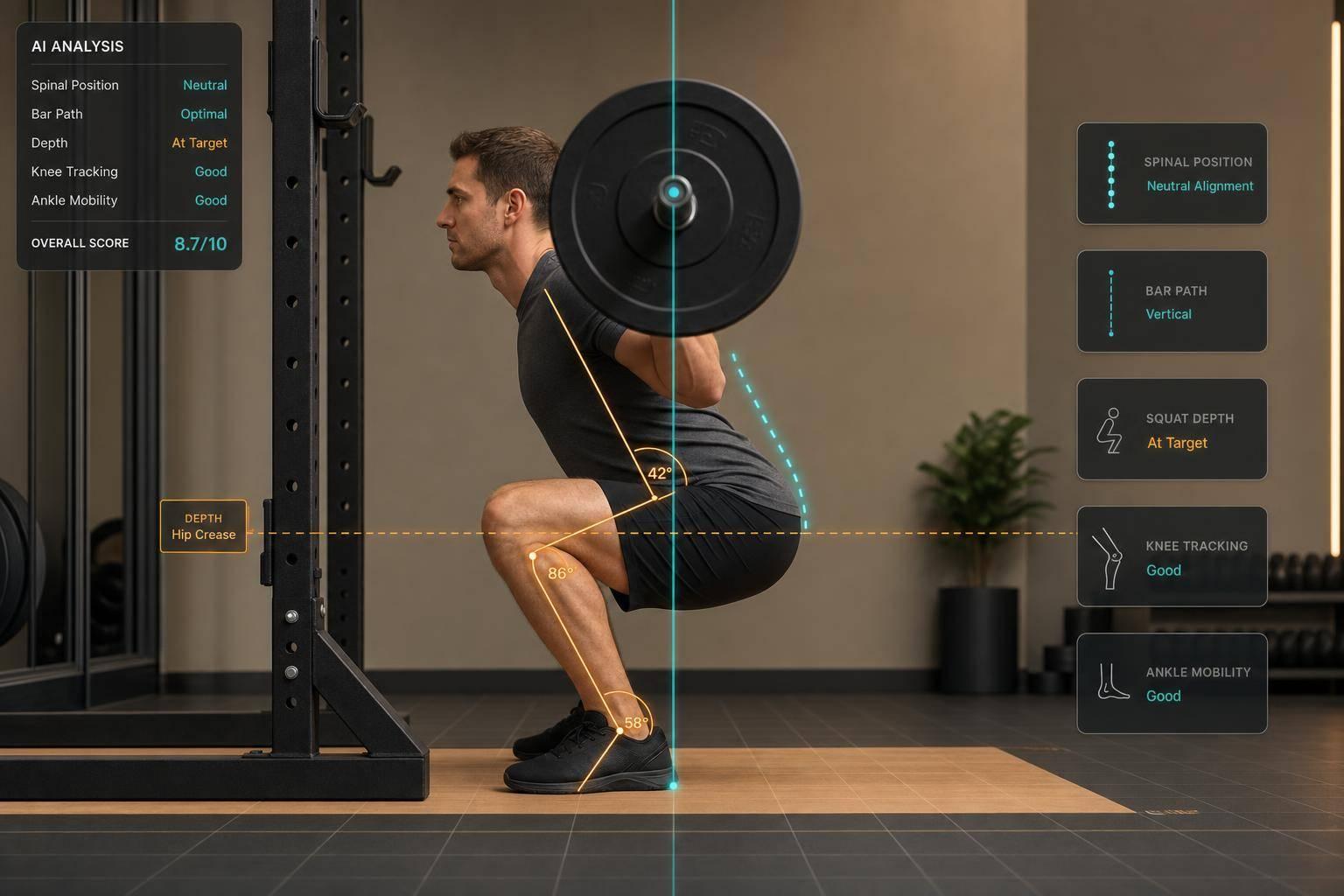
AI Tools for Analyzing Squat Spinal Positioning
Compare AI and coach-led apps for detecting lumbar rounding, forward lean, bar path, and depth in squats.
Jun 16, 2026
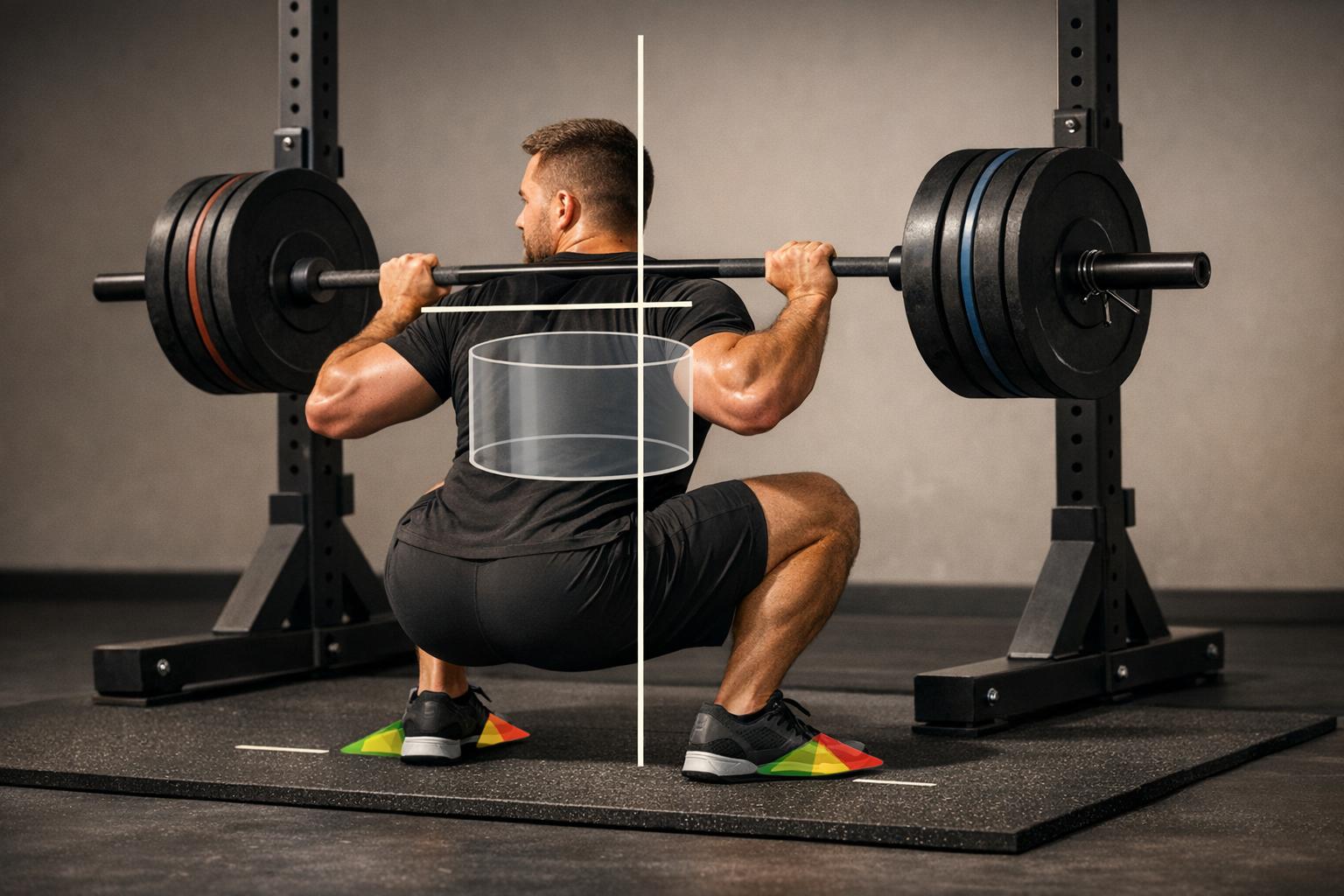
Top 5 Form Errors in Compound Lifts
Small form mistakes in squats, bench, and deadlifts shift load to joints — fix bracing, foot pressure, bar path, upper-back, and setup.
Jun 04, 2026
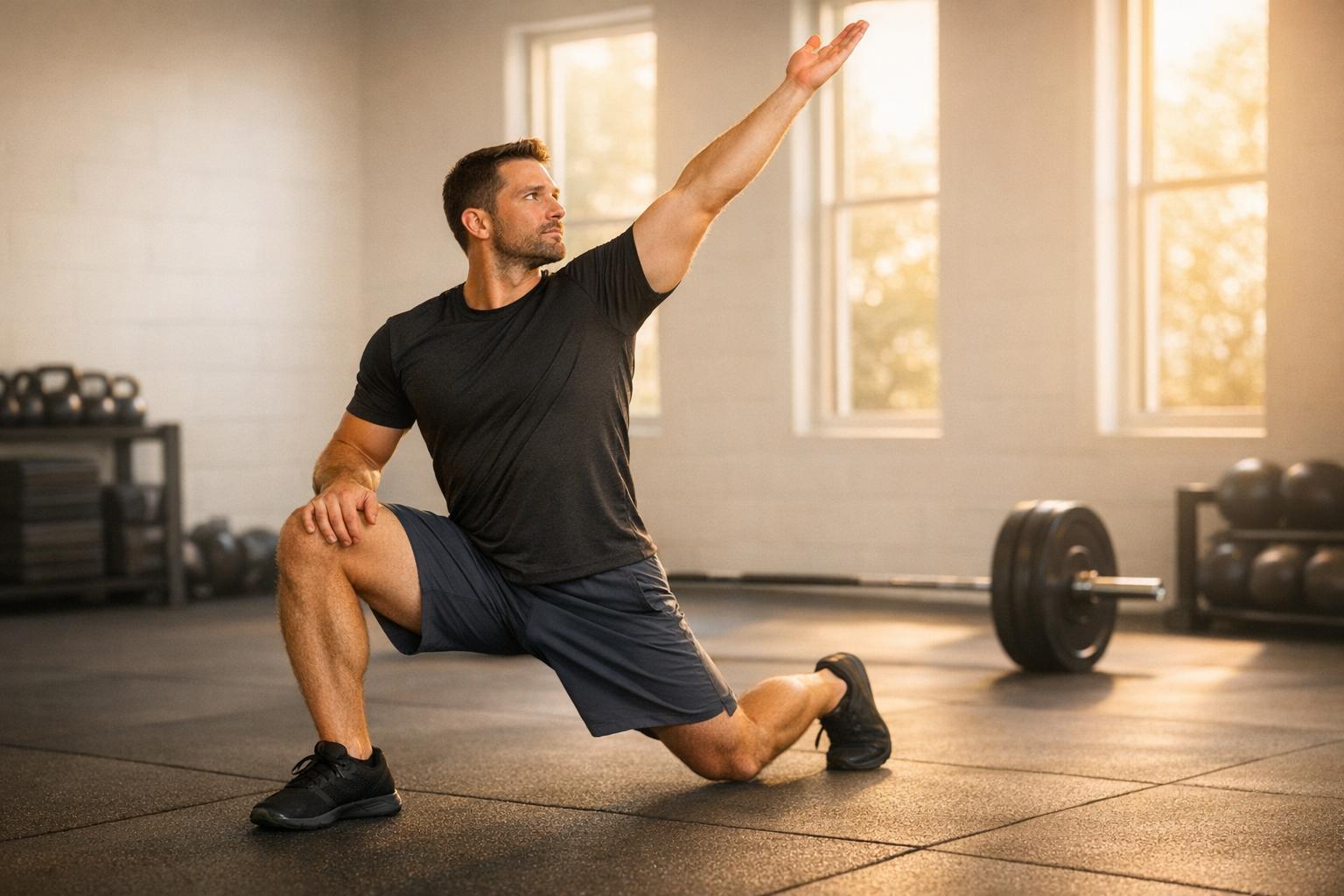
How Warm-Ups Prevent Lifting Injuries
Warm-ups are essential — they cut injury risk, boost strength and mobility, and fix technique before heavy lifts.
Jun 03, 2026
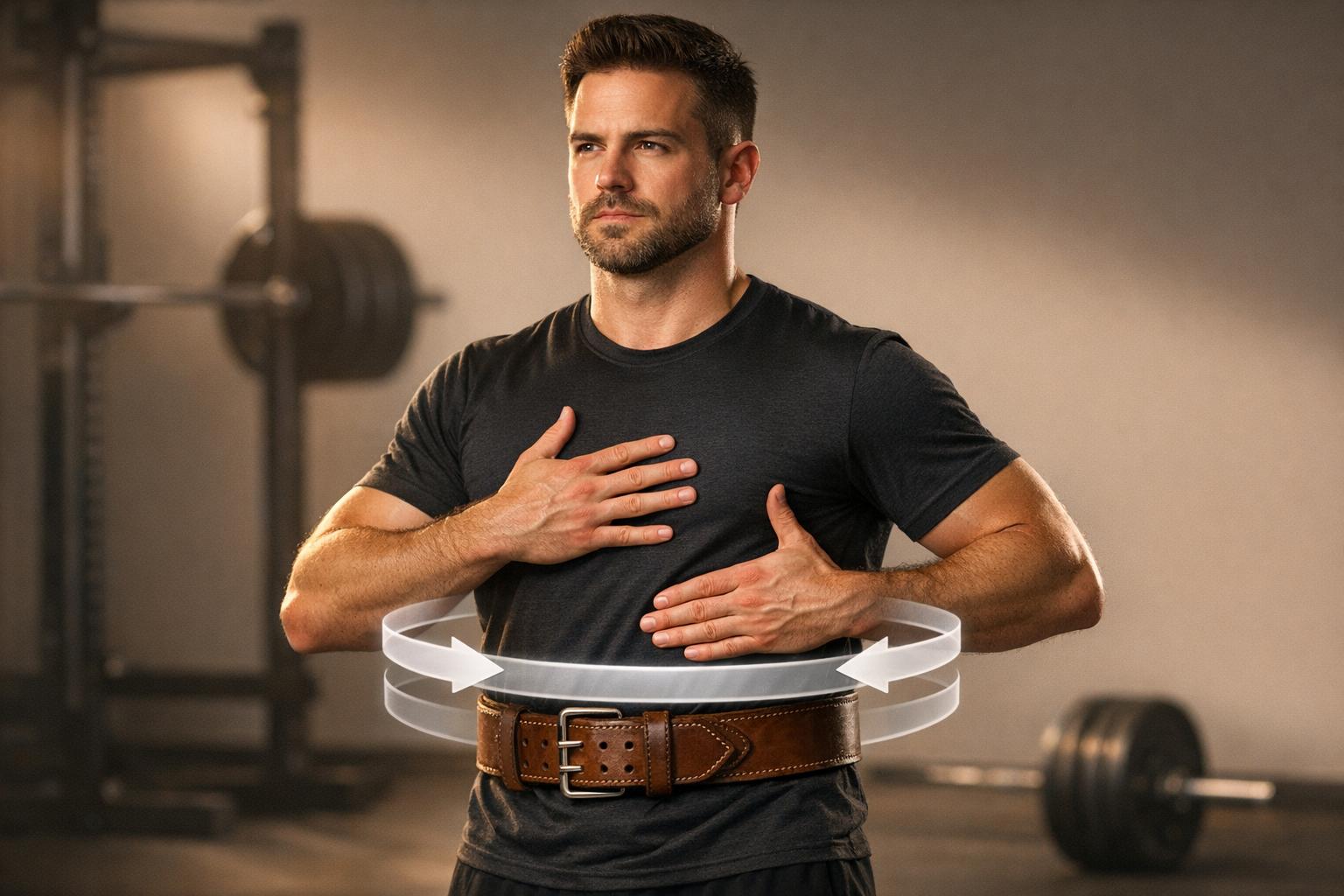
Breathing and Bracing for Squats and Deadlifts
Learn diaphragmatic breathing, 360° bracing, belt use, and drills to protect your spine and increase squat and deadlift strength.
Jun 02, 2026
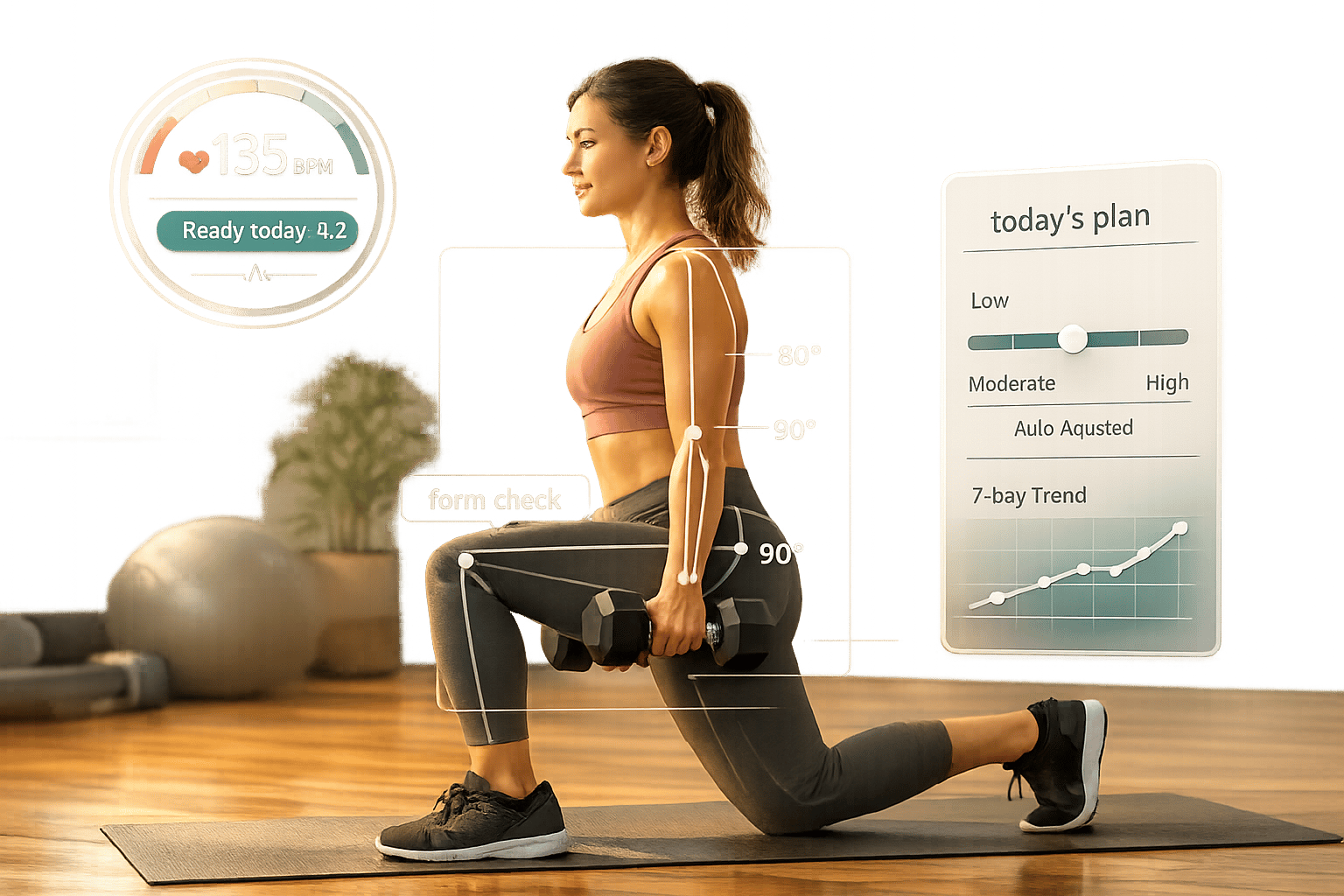
How AI Customizes Training Plans
Personalized workout plans that use your data, video form analysis, and daily readiness to auto-adjust intensity and prevent plateaus.
Jun 01, 2026
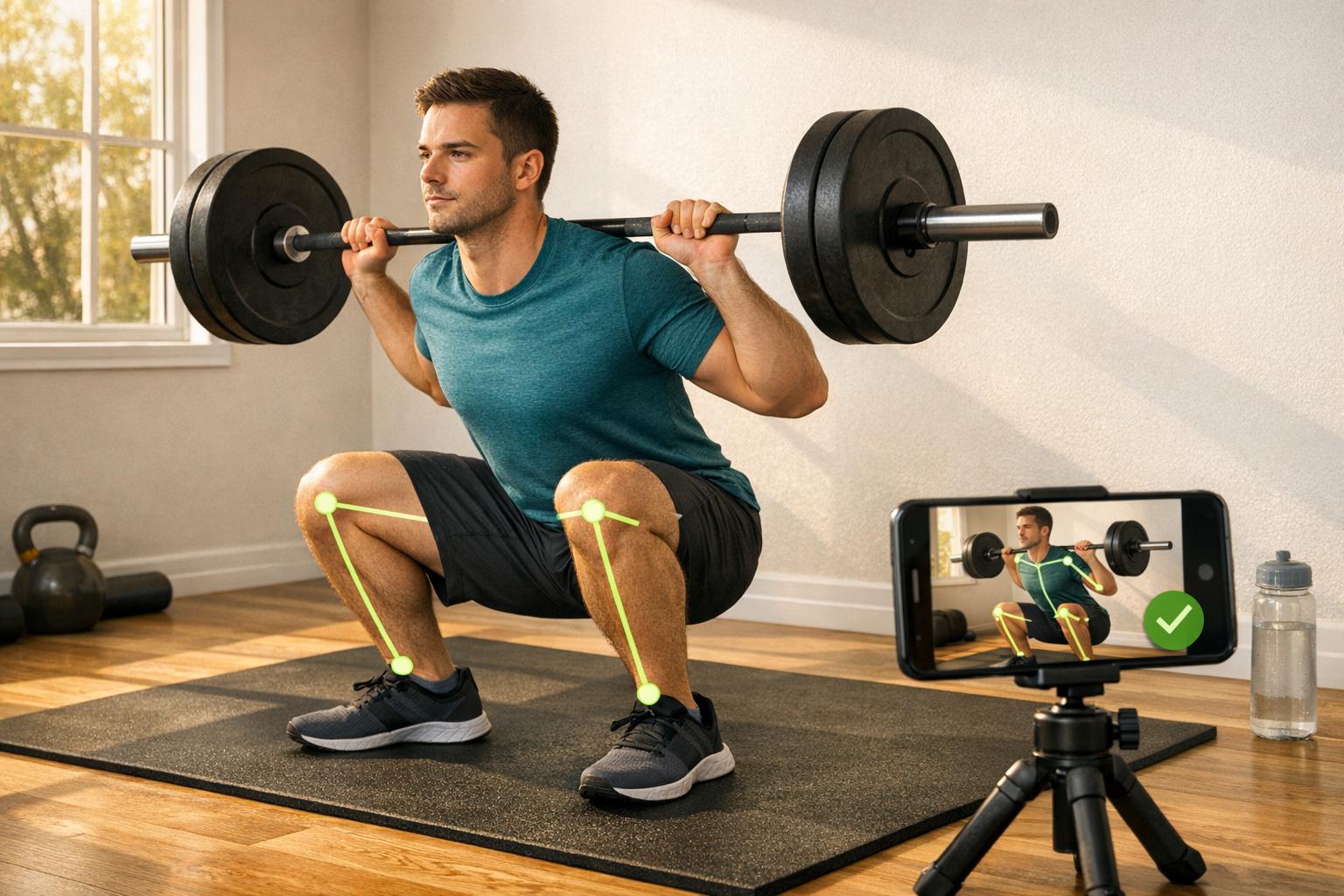
AI-Powered Pose Tracking for Injury-Free Workouts
Real-time AI pose tracking analyzes form with a phone camera, corrects technique, and reduces injury risk during lifts.
May 30, 2026
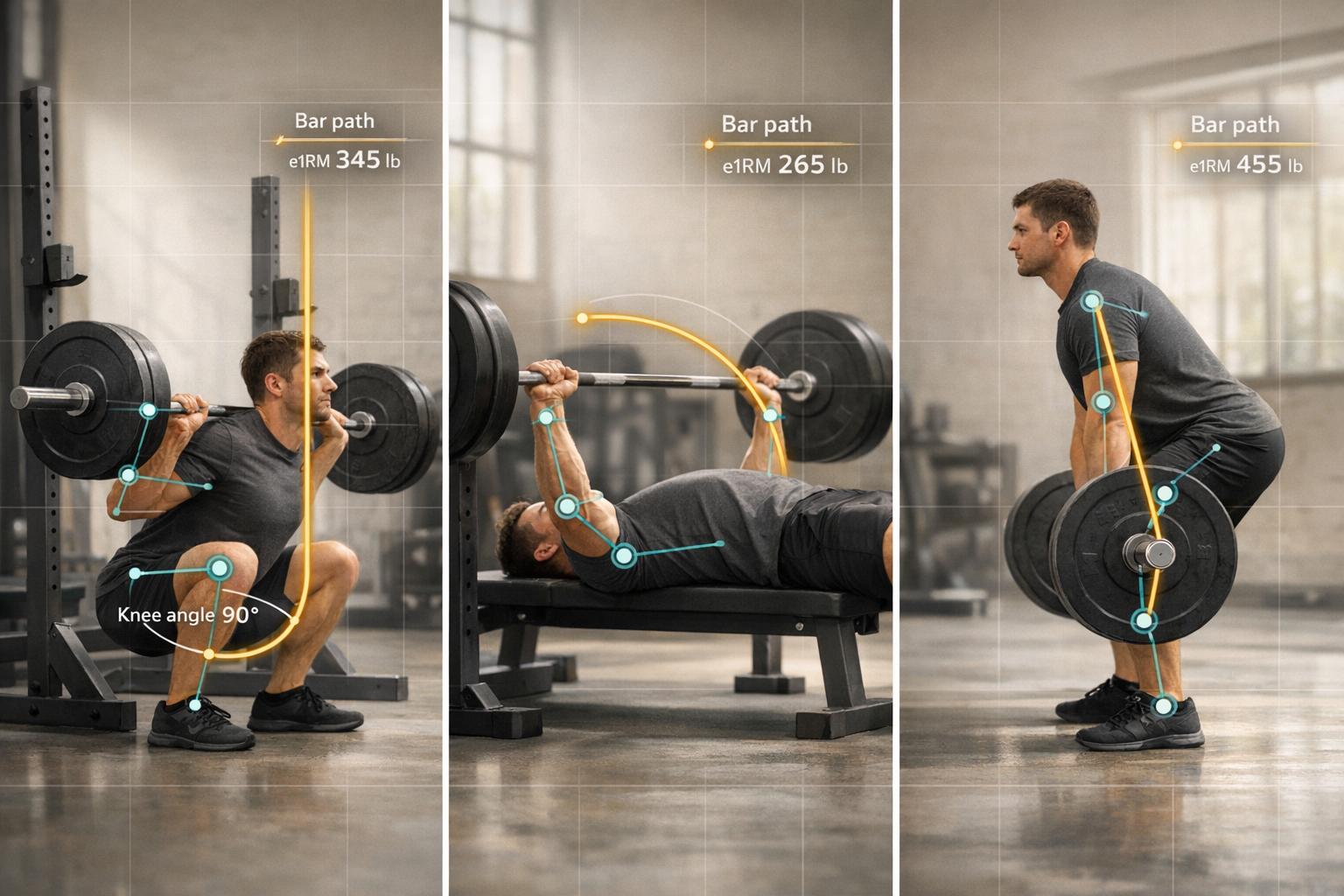
How AI Tracks Squat, Bench, Deadlift Progress
AI analyzes training videos to track joint angles, bar path, e1RM and technique, cutting injury risk and boosting strength.
May 02, 2026